Pathology Province-Wide Rounds
Cancelled sessions: 22-May-26, 15-May-26, 24-Apr-26, 27-Feb-26, 13-Feb-26

18-Sep-26

“Blastic plasmacytoid dendritic cell neoplasm”
Speaker: Dr. Antonio Subtil
Session details
By the end of this session, participants will be able to:
1. Correlate clinical and pathologic findings in the diagnosis of blastic plasmacytoid dendritic cell neoplasm.
2. Identify potential sources of diagnostic discrepancy in the workup of atypical cutaneous lymphoid infiltrates with unusual phenotypes.
3. Recognize cytomorphologic variants of blastic plasmacytoid dendritic cell neoplasm.
Antonio Subtil MD, MBA is fellowship-trained and board-certified in both hematopathology (Emory University, Atlanta, GA) and dermatopathology (Mayo Clinic, Rochester, MN). After 15 years working and teaching at Yale University (New Haven, CT), he moved to Canada, where he is a Clinical Associate Professor in Pathology and Laboratory Medicine at the University of British Columbia. His research interests include cutaneous lymphomas, inflammatory dermatoses, infectious diseases, and alopecia. He has given over 120 invited lectures at regional, national and international meetings.
Internal recording – staff access only. Please contact us for the password.
11-Sep-26

“Advancing Cancer Biomarker Science and Precision Drug Development Through AI”
Speaker: Dr. Ali Bashashati
Session details
By the end of this session, participants will be able to:
1. Describe applications of AI in cancer biomarker discovery and digital pathology.
2. Explain how AI can support precision drug discovery and development.
3. Discuss emerging opportunities and future directions for AI in oncology.
Dr. Ali Bashashati is an Associate Professor in Pathology, Urologic Sciences, and Biomedical Engineering at UBC and Director of AI and Bioinformatics Research in BC’s Ovarian Cancer Research Program. His research integrates machine learning, digital pathology, imaging, and multi-omics data to improve cancer diagnosis, biomarker discovery, and drug development. He has published extensively in leading journals and his work has been cited more than 23,000 times.
This session was not recorded.
19-Jun-26

“Use of AI Tools II – A Panel Discussion”
PAL Rounds Panel: Dr. Tyler Smith (Chair), Dr. Sean Ling, Dr. Wilson Yeung and Dr. Dan Zhang
Session details
By the end of this session, participants will be able to:
1. Describe safe practical ways that AI tools can enhance your productivity and quality of life.
2. Outline several limitations and risks of AI tool usage.
3. Generate ideas on how to better utilize these tools in appropriate circumstances.
Panelists:
Dr. Tyler Smith (Chair) – Clinical Assistant Professor and Hematopathologist
Dr. Sean Ling, MB BCh BAO, MSc, CIC, FRCPC – Medical Lead, Infection Prevention & Control (IPAC) and Provincial Infection Control Network of BC (PICNet)
Dr. Wilson Yeung, MBBS, FRCPA, FRCPC – Clinical Assistant Professor, UBC; Hematopathologist, Fraser Health Authority
Dr. Dan Zhang, MSc, MD – Resident, UBC Hematopathology

12-Jun-26

“Molecular Insights into the Diagnosis and Differential Diagnosis of Urologic Tumors”
Speaker: Dr. Liang Cheng, M.D., M.S.
Session details
By the end of this session, participants will be able to:
1. Recognize recently described urologic tumor entities and their clinical significance.
2. Understand the role of molecular and genomic testing, and AI in improving tumor diagnosis, differential diagnosis, and classification.
3. Identify key challenges and opportunities in incorporating molecular data into routine diagnostic practice, including the use of emerging biomarkers and targeted therapeutic strategies.
4. Appreciate the impact of precision genomics on redefining traditional histologic classifications of urologic tumors.
Dr. Liang Cheng is Professor of Pathology and Surgery/Urology, Vice Chair for Translational Research, Director of Anatomic Pathology, and Director of Molecular Pathology in the Department of Pathology and Laboratory Medicine at the Brown University Warren Alpert Medical School & Brown University Health. He also serves as Associate Director at the Legorreta Cancer Center at Brown University, Providence, Rhode Island. Dr. Cheng has authored over 1,300 peer-reviewed SCI articles published in high-impact journals. He is the author of more than 150 book chapters and 22 textbooks, including Urologic Surgical Pathology, Tumors of the Kidney, Bladder, and Related Urinary Structures (AFIP Fascicle, 5th Series), Molecular Genetic Pathology, Molecular Surgical Pathology, Essentials of Anatomic Pathology, Bladder Pathology, among others. His scientific and academic achievements have been recognized with numerous prestigious awards, including the Arthur Purdy Stout Annual Award from the Society of Surgical Pathologists for outstanding contributions to surgical pathology, the Koss Medal for Advancement of Urological Pathology, the Stowell-Orbison Award from the United States and Canadian Academy of Pathology (USCAP), and the W. Dwayne Lawrence Award for Excellence in Diagnostic Surgical Pathology. Dr. Cheng serves as President of the International Society of Urological Pathology (ISUP) and as an Expert Member of the World Health Organization (WHO) Classification of Tumours (“Blue Books”) Editorial Board. He also serves as Chair of the Biomarkers Committee of the Worldwide Innovative Network (WIN) Consortium and as Vice Chair of its Scientific Advisory Board. His research focuses on translational studies of genitourinary malignancies and molecular characterization of solid tumors.

05-Jun-26

“Strategies to improve the microbiome composition to increase immunotherapy response”
Speaker: Dr. Bertrand Routy, MD, PhD

29-May-26

“Mechanistic approaches to new combination therapies for osteosarcoma”
Speaker: Dr. Alejandro Sweet-Cordero
Session details
Alejandro Sweet-Cordero, MD
Pediatric hematologist-oncologist
Benioff UCSF Professorship in Children’s Health, UCSF, Chief of Pediatric Oncology, Department of Pediatrics, UCSF; Director, Molecular Oncology Initiative & Co-Leader, Pediatric Malignancies Program, UCSF Helen Diller Family Comprehensive Cancer Center

08-May-26

“Ocular Pathology Contributions in Ophthalmology: The Importance of Clinicopathological Correlation in Ocular Diseases”
Speaker: Dr. Miguel N. Burnier Jr., MD, MSc, PhD, FRCSC, CAHS
Session details
Learning Objectives:
1. To highlight the importance of ocular pathology for the diagnosis, prognosis, and further treatment of patients with ocular diseases.
2. The use of modern techniques, including immunohistochemistry and liquid biopsy for the advancement of clinicopathological correlation.
3. Examples will be used, include but are not limited to, Sebaceous cell carcinoma, Uveal Melanoma, Retinoblastoma and Ocular toxoplasmosis, to explain the importance of clinicopathological correlation.
Dr. Burnier is a Full Professor of Ophthalmology, Pathology, Medicine, Oncology and Surgery at McGill University and the former Chairman of the Department of Ophthalmology at McGill (1993 to 2008). He was also the Thomas O. Hecht Family Chair in Ophthalmology (1996-2012) – the first and only endowment Chair of the Department of Ophthalmology – which was awarded to Dr. Burnier upon his arrival as Professor and Chair of the Department of Ophthalmology. From 2020-2021, Dr. Burnier was the Interim Director of the Research Institute of the McGill University Health Centre (RI-MUHC). He is currently the Director of Training & Development, RI-MUHC.
Dr. Burnier established and directs the MUHC-McGill University Ocular Pathology & Translational Research Laboratory. This Unit is a unique facility in Canada and has become the largest research and training center in Ocular Pathology in North America. The Laboratory offers the only Ocular Pathology graduate program in North America. Over 350 fellows and graduate students from different countries have passed through the Laboratory. These fellows are part of BIOPSY (Burnier International Ocular Pathology Society) which holds scientific meetings every two years and gives a great opportunity for this network to share interesting cases and research.
Dr. Burnier is the author and co-author of over 1000 publications and has served as Guest Speaker and Visiting Professor at many national and international conferences. He is distinguished with several national and international awards (a few examples are: CAHS, Sao Paulo Academy of Medicine, National Academy of Medicine, FARVO, Giants of Medicine).
In addition, Dr. Burnier was unanimously chosen as the President of the Pan-American Association of Ophthalmology (PAAO) from 2019-2021 and Dr. Burnier is now the President and Chairman of the Board of the Pan-American Association of Ophthalmology Foundation (PAOF).

01-May-26

“Public Health Laboratory System Readiness for Mass Gatherings FIFA World Cup 2026”
Speaker: Dr. Linda Hoang
Session details
By the end of this session, participants will be able to:
1. Describe infectious risks associated with mass gatherings.
2. Explain how FIFA risk assessment translated into laboratory preparedness.
3. Understand the roles and responsibilities of the provincial public health laboratory in mass gatherings and emergency readiness.
Dr. Linda Hoang is the Medical Director of the BC Centre for Disease Control (BCCDC) Public Health Laboratory and a Clinical Professor in the UBC Dept of Pathology and Lab Medicine. She is a Medical Microbiologist with broad expertise spanning clinical microbiology, public health diagnostics, genomics, and laboratory quality and biosafety systems. She and her team at the BCCDC PHL are responsible for delivering on the core functions of a Provincial public health laboratory in Canada.
In her provincial leadership role, Dr. Hoang is responsible for medical oversight of the provincial public health laboratory at BCCDC and its system readiness for emerging infectious diseases and public health emergencies. Her current work includes laboratory surge capacity, inter-agency coordination, and preparedness for mass gathering events, including FIFA World Cup 2026 for public health important communicable diseases.

10-Apr-26

“Expanded Genomic Profiling of Hematologic Neoplasms: Evaluation and Clinical Validation of Pan-Heme DNA and RNA Sequencing Platforms”
Speakers: Dr. Julia Parlow and Dr. Tara Spence
Session details
By the end of this session, participants will be able to:
1. Describe the current workflow of standard cytogenetic and molecular approaches (karyotyping, FISH, OGM, NGS) in the evaluation hematologic neoplasms within the Vancouver Coastal Health Authority.
2. Compare the analytical performance and practical considerations of two broad-panel NGS platforms for hematologic malignancies using a clinical evaluation cohort and interpret key components of clinical assay validation for NGS in a diagnostic laboratory, including sensitivity, specificity, and limit of detection.
3. Assess how broadened DNA and RNA sequencing approaches may complement existing testing modalities for detecting clinically relevant variant classes.
4. Understand how expanded genomic testing can improve diagnostic yield and modulate risk assessment for individuals diagnosed with hematologic neoplasms.
Speaker Bios:
Dr. Julia Parlow – Dr. Julia Parlow is a Laboratory Scientist in the Cytogenomics Laboratory at Vancouver General Hospital and a Clinical Instructor in the Department of Pathology and Laboratory Medicine at the University of British Columbia. As a specialist in molecular genetics and genomics, her current work focuses on the evaluation and validation of advanced genomic technologies.
Dr. Tara Spence – Dr. Tara Spence is the Director of the Cytogenomics Laboratory at Vancouver General Hospital and a Clinical Laboratory Geneticist specializing in Cytogenetics and Molecular Genetics. She is a Fellow of the Canadian College of Medical Geneticists (FCCMG) and the American College of Medical Genetics and Genomics (FACMG), and a Clinical Assistant Professor in the Department of Pathology and Laboratory Medicine at the University of British Columbia. Her research interests focus on evaluation and translation of state-of-the-art genomic approaches into routine workflows for solid tumor and hematologic malignancies to improve diagnostic rate and better inform prognostication.
Cytogenomics Laboratory, Vancouver General Hospital – The Cytogenomics Laboratory provides diagnostic genomic testing for hematologic malignancies and constitutional indications using an integrated platform that currently includes a combination of karyotyping, fluorescence in situ hybridization (FISH), optical genome mapping and targeted next-generation sequencing (NGS). Ongoing work in the laboratory includes the development, evaluation and validation of expanded DNA/RNA and long-read sequencing approaches to support comprehensive, clinically actionable genomic profiling.

27-Mar-26
A Department Update – Dr. Gao | Status of creating a Pathology Assistant Program – Dr. Mike Nimmo | Using AI to update your CV and review of Department’s research repository – Debbie Bertanjoli
Session details
By the end of this session, participants will be able to:
1. Identify essential components for an ergonomic and comfortable home office setup, taking into consideration novel switch to digital pathology and its technological requirements
2. Consider tools available to facilitate communication between colleagues as well as connection to the lab
3. Understand privacy risks and how to mitigate them
Not available
13-Mar-26

“Working From Home: A Practical and Pragmatic Approach for Pathology”
Speaker: Dr. Susanna A. McRae View PDF
Session details
By the end of this session, participants will be able to:
1. Identify essential components for an ergonomic and comfortable home office setup, taking into consideration novel switch to digital pathology and its technological requirements
2. Consider tools available to facilitate communication between colleagues as well as connection to the lab
3. Understand privacy risks and how to mitigate them
Dr. Susanna A. McRae, MD is a renal pathologist at the BC Provincial Renal Pathology Laboratory, based at St. Paul’s Hospital in Vancouver, and is the Director of BC Medical Renal Pathology Education for all nephrology and pathology trainees. She is a Clinical Assistant Professor in the Department of Pathology and Laboratory Medicine and an Associate Member of the Division of Nephrology at the University of British Columbia. Dr. McRae is also a member of the UBC Providence Health Care Research Ethics Board. Dr. McRae completed her medical school at the University of Toronto, ON followed by Anatomical Pathology residency training at the University of British Columbia, BC and then a further Renal Pathology Fellowship at the University of Calgary, AB.
Together with the BCPRPL, she has been involved in the Digital Pathology Testbed at SPH and validated Digital Pathology for medical renal biopsy clinical diagnostics, which was completed Spring 2025. Since that time, she has been systematically working to discover and resolve obstacles and develop operational workflow.
Not available
06-Mar-26

“Optimizing NK Cell Engineering for Therapeutic Efficacy”
Speaker: Dr. Katy Rezvani View PDF
Session details
By the end of this session, participants will be able to:
1. Understand the key strategies for engineering NK cells including CAR design, cytokine support and genome editing approaches to enhance persistence and anti-tumor activity.
2. Evaluate preclinical and clinical advances in engineered NK cell therapies with an emphasis on translational lessons.
3. Identify challenges and future directions in NK cell engineering such as overcoming the tumor microenvironment.
Katy Rezvani, MD, PhD is a professor of medicine at the University of Texas MD Anderson Cancer Center, where she serves as the Vice President & Head, Cell Therapy Institute for Discovery and Innovation, Barnts Family Distinguished Chair for Cancer Research, and medical director of the GMP Facility. She leads a research lab with a focus on NK cell biology and developing novel NK cell engineering strategies for cancer, with the aim of translating these discoveries to the clinic. Dr. Rezvani completed her medical training at University College London, England and her PhD at Imperial College London. She completed her training in immunology and transplantation biology at the National Institutes of Health, Bethesda, MD. In addition, she has co-authored over 250 peer-reviewed publications and received multiple prizes and awards, including the American Society of Hematology E. Donnall Thomas award.
06-Feb-26

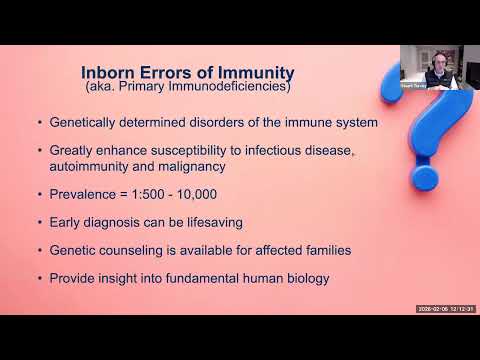
“Learning from Our Patients: Discovery of New Human Inborn Errors of Immunity”
Speaker: Dr. Stuart Turvey
Session details
By the end of this session, participants will be able to:
1. Recognize the spectrum of human inborn errors of immunity.
2. Assess how primary atopic disorders represent a key subgroup of inborn errors of immunity.
3. Understand some of the molecular mechanisms underlying newly discovered primary atopic disorders.
Dr. Stuart Turvey, MBBS, DPhil, FRCPC is a Pediatric Clinical Immunologist, a Professor of Pediatrics at The University of British Columbia, and holder of the Tier1 Canada Research Chair in Pediatric Precision Health. As a practicing pediatric immunologist based at BC Children’s Hospital, Dr. Turvey’s research program responds to major challenges in contemporary pediatric medicine. Specifically, his research focuses on childhood immune deficiency diseases and disorders of immune dysfunction including asthma, allergies, and autoimmunity. Dr. Turvey is internationally recognized for his research in developing precision health-based strategies to address childhood asthma and pediatric immune system disorders, and he is a highly effective mentor for the next generation of child health clinician-scientists.
30-Jan-26

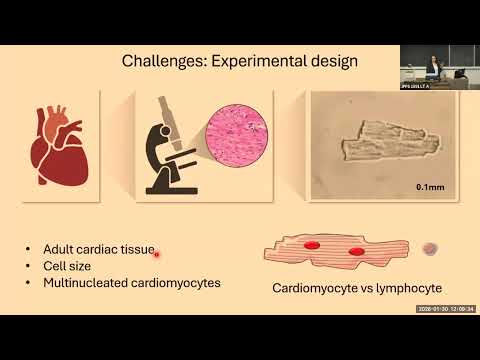
“Cellular and Spatial Genomics to Understand the Architecture of Cardiovascular Health and Disease”
Speaker: Dr. Michela Noseda View PDF
Session details
By the end of this session, participants will be able to:
1. Understand how single-cell and spatial transcriptomics are used to build cardiac and vascular atlases in health and disease.
2. Recognise how cellular diversity and organisational principles of cardiac tissue inform our understanding of dilated and hypertrophic cardiomyopathies and heart failure.
3. Appreciate the translational potential of human heart and vascular atlases for disease classification and precision cardiovascular medicine.
23-Jan-26
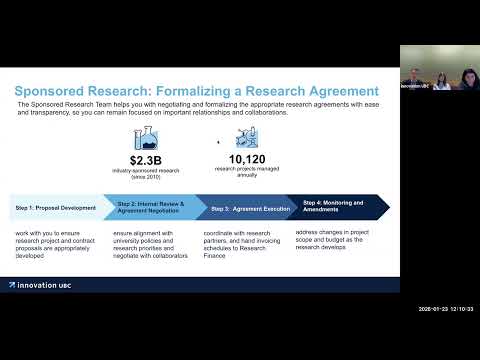
“(Re-)Introducing Innovation UBC: How We Can Support and Accelerate the Translation of Your Research into Real-World Impacts”
Speakers: John-Paul Heale, Managing Director, Innovation UBC; Andrea Lloyd, Head of Engagement, Innovation UBC; Smruti Savkur, Engagement Manager, Innovation UBC View PDF
Session details
By the end of this session, participants will be able to:
1. Learn about the CSMLS contributions to the CWC recommendation.
2. Become familiar with the Lab Wisely (LW) Database.
3. Explore the use of the LW Widget to estimate potential savings and impact.
Access is restricted for internal use only
16-Jan-26

“Curbing Lab Test Utilization: Choosing Wisely Canada (CWC) Recommendations and Tool”
Presented by Christine Nielsen, Chief Executive Officer of Canadian Society for Medical Laboratory Science
Session details
By the end of this session, participants will be able to:
1. Learn about the CSMLS contributions to the CWC recommendation.
2. Become familiar with the Lab Wisely (LW) Database.
3. Explore the use of the LW Widget to estimate potential savings and impact.

9-Jan-26

“Careers in Pathology & Laboratory Medicine: Master Classes – An Interview with Dr. Mel Krajden”
Hosted by: Dr. Jennifer Ji, 3rd Year Pathology Resident & Professor David Huntsman
Session details
This series of rounds will feature structured interviews with leaders in Pathology and Laboratory Medicine. These are designed to inform the speaker’s junior colleagues and residents on their motivation for and approach to leadership in academic pathology and also their vision of the future of PALM in BC. There will be time for audience engagement at the end of each interview.
Cancelled sessions: 28-Nov-25, 7-Nov-25, 24-Oct-25, 12-Sept-25, 16-May-25, 21-Mar-25, 14-Feb-25, 24-Jan-25, 17-Jan-25
12-Dec-25

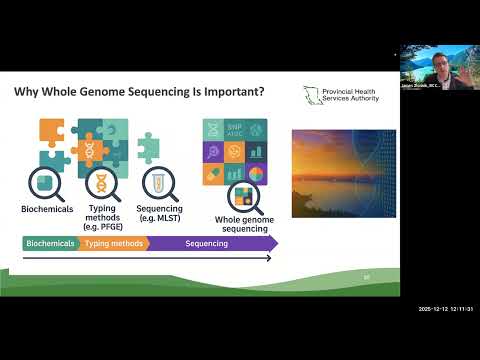
“Pathogen Genomics in the BCCDC – Public Health Laboratory”
Dr. John R. Tyson & Dr. James Zlosnik
Session details
This series of rounds will feature structured interviews with leaders in Pathology and Laboratory Medicine. These are designed to inform the speaker’s junior colleagues and residents on their motivation for and approach to leadership in academic pathology and also their vision of the future of PALM in BC. There will be time for audience engagement at the end of each interview.
Access is restricted for internal use only
21-Nov-25
“Laboratory Operations: Working Alongside Pathologists to Serve Patients”
Brenda Jackson, Jennifer Minchinton and Luca Rizzetto

31-Oct-25

“Building Bridges from Canadian Cancer Trials to Pathologists: The Importance of Cross Disciplinary Collaborations”
Dr. Jonathan Loree, GI Medical Oncologist at BC Cancer, Associate Professor of Medicine at the University of British Columbia and a Senior Investigator at the Canadian Cancer Trials Group (CCTG)
Session details
1. Understand the framework of how clinical trials are delivered in Canadian Cancer Care.
2. Highlight opportunities to get involved in the Canadian Cancer Trials Group and Resources available in their biobank.
3. Discuss the importance of correlative studies to trial development and ways to reduce the strain they pose on trial departments.

17-Oct-25
“Strategic Plan Updates”
Dr. Mike Nimmo, Clinical Associate Head & Dr. Cheryl Wellington, Vice Chair Research

10-Oct-25
“Strategic Plan Updates”
Dr. Zu-hua Gao, Department Head & Dr. Hélène Côté, Vice Chair of Scientific Education

07-Oct-25
“Navigating AI for Administrators”
SPECIAL PRESENTATION: Faculty and staff were invited to a presentation on Navigating AI for Administrators at the Faculty of Medicine, hosted by colleagues from Digital Solutions. The session covered the AI landscape at UBC and within the Faculty of Medicine, privacy and security considerations, and Copilot Chat.
03-Oct-25

“Careers in Pathology & Laboratory Medicine”
Join us for the next session in the Careers in Pathology & Laboratory Medicine: Master Classes series. This session features an interview with Dr. Blake Gilks, Professor Emeritus, world leader in gynecologic cancer diagnostics and research, and a mentor to generations of trainees.
Recording unavailable
26-Sept-25

“The Balance between Benefits and Risks of Transfusions in Infants and Children: What’s New?”
Please join with us for a shared provincial rounds session with the Department of Pediatrics featuring Dr. Simon Stanworth, Professor of Haematology & Transfusion Medicine. This is a modified Zoom/In-person session with Pathology & the Department of Pediatrics moderated by Dr. Kate Chipperfield.
Session details
1. Utilize an evidence-based approach to transfusion in children and infants.
2. Understand implementation of patient blood management in children.

19-Sept-25
“Coming Soon: New Non-Credit Programs in the Department of Pathology & Laboratory Medicine”
Dr. Titus Wong, Dr. Elisa Lloyd-Smith, & Dr. Dan Holmes See the poster for more details
Session details
1. Learn about the department’s upcoming non-credit programs (Infection Prevention and Control Program, Applying Occupational Health and Safety Principles in Infection Prevention and Control Micro-certificate, and Data Science for Healthcare using R Micro-certificate).
2. Identify ways to share program information with colleagues, learners, and professional networks.
Recording unavailable due to technical issues.
05-Sept-25

“Spatial Mapping of Human Hematopoiesis at Single Cell Resolution in Aging and Myelodysplasia”
Dr. Sanjay Patel, Associate Professor of Hematopathology at Weill Cornell Medical College
Session details
1. To educate the audience regarding previously defined niches for hematopoietic progenitor cells in bone marrow described using preclinical models.
2. To familiarize the audience with multiparametric in situ tissue imaging.
3. To describe the spatial architecture of human hematopoiesis, highlight findings from studies focused on aged bone marrows, and describe key results from ongoing studies in myelodysplasia.

20-Jun-25

“Understanding Bias in Healthcare”
Dr. Joy Masuhara, Regional Medical Director, Equity, Diversity and Inclusion, Vancouver Coastal Health; Co Chair, VCH Medical Staff EDI Committee; Clinical Assistant Professor, UBC Faculty of Medicine, Dept of Family Practice
Angela Gray, Culture Consultant/Facilitator
Session details
1. Understand how Bias is formed.
2. Understand the difference between Conscious and Unconscious Bias.
3. Understand how Bias shows up in healthcare.

13-Jun-25

“Antimicrobial Resistance Evolution from Bench to Bedside in BC Hospitals”
Dr. Brandon Findlay, Associate Professor, Department of Chemistry and Biochemistry at Concordia University
Session details
1. Understand how evolutionary forces are shaping resistant microbes.
2. Contrast the most common antimicrobial resistance mechanisms that evolve in the lab with those seen in the clinic (with a focus on carbapenemases in BC).
3. Describe the balance between antimicrobial resistance mechanisms and their fitness penalties.
06-Jun-25

“Use of Precision Medicine to Improve Access and Outcomes in Transplantation”
James H Lan, MD, FRCP(C), F(ACHI), Assistant Professor, University of British Columbia; Medical Director, HLA Immunology Laboratory, Nephrology & Kidney Transplantation, VGH

23-May-25

“Garden Talk”
Char Power – Horticulturist, Landscape Designer, Arborist, VanDuSen Botanical Garden Sunday guide and biophiliac
Session details
This presentation will address some of the most frequently asked questions encountered while working with home gardeners, providing insightful guidance on key topics to enhance a healthy, thriving garden.
1. Master the art of pruning – discover the why, when, and how of pruning to keep plants thriving and beautiful.
2. Soil secrets uncovered – learn how to choose the right soil and fertilizers, and what makes it essential for a healthy, lower-maintenance garden.
3. Organic defense against pests & diseases – explore natural solutions to protect plants from insects and illness without harmful chemicals.

09-May-25

“How Does Smooth Muscle Contract and Why do we Care?”
Dr. Chun Seow
Session details
1. To understand the basic contraction mechanism of smooth muscle and familiarize with recent advances in the area of research.
2. To understand the role of airway smooth muscle in whole lung mechanics, including how deep inspirations improve lung function through their effect on airway smooth muscle.
Dr. Chun Seow specializes in smooth muscle cell biology and lung physiology. His current research focus is on the mechanical function, ultrastructure and biochemistry of airway smooth muscle, in health and disease. There are two main components of his current CIHR-funded research program. One focuses on the basic mechanism of contraction in smooth muscle, the other focuses on airway hyper-responsiveness related to dysfunction of airway smooth muscle seen in asthma. His other research interests include skeletal muscle mechanics, whole lung and airway mechanics, ATPase cycle associated with the cross-bridge cycle, and mathematical modeling of muscle and lung function.

02-May-25

“A Tale of Two Squams: Determining Clonality and Site of Origin for Multiple Squamous Cell Carcinomas”
Dr. Julia Naso
Session details
1. Understand advantages and limitations of new technologies for assessing cancer genome methylation and genome wide copy number changes.
2. Consider emerging approaches for distinguishing whether multiple tumors are related by metastasis or are separate primary tumors.
3. Appreciate the spectrum of genomic alterations in squamous cell carcinomas of different origins.
Dr. Julia Naso is a UBC MD/PhD graduate currently practicing as an anatomical pathologist at VGH. She completed fellowship training in pulmonary pathology at Mayo Clinic, and is an early career clinician scientist supported by UBC. Her research interests include translating novel molecular testing approaches into clinically available tests that aid in the diagnosis and characterization of cancers.

11-Apr-25

“Ancillary Immunohistochemical and Molecular Testing in Gynecological Cancers: When to Spend that Money”
Dr. Lien Hoang
Session details
1. Understand the role of pathologists in BC in reflexive molecular testing.
2. Recognize important entities which benefit from immunohistochemical confirmation at first diagnosis.
3. Interpret common immunohistochemical markers and their pitfalls.
Dr. Lien Hoang is a gynecologic subspecialty pathologist working at Vancouver General Hospital, British Columbia and clinical assistant professor at the University of British Columbia. In the gynecologic oncology sphere, Dr. Hoang has published >100 manuscripts, authored 5 book chapters and received >50 speaker invitations at national and international conferences. Dr. Hoang is a pathologist-scientist. Her research work includes discovering a novel type of uterine sarcoma, developing a molecular-pathology endometrial carcinoma classification scheme, overhauling classification of cervical cancers and pushing vulval cancer into the modern molecular era. Dr Hoang has ranked 12 out of 400 authors worldwide by the WHO editorial committee, for most impactful publications in endometrial cancer in the 5-years preceding the WHO publication on Female Genital Tumors (2020) and has received several accolades in her early career. Her work in vulvar cancer has culminated in a CCTG clinical trial, the first of its kind.

04-Apr-25

“GPT-Driven AI for Enhanced Pathology”
Dr. Miao Cui, M.D., M.S.
Session details
1. Fundamental Knowledge of Natural Language Model.
2. Development and applications of the customized GPTs.
Dr. Miao Cui, M.D., M.S., Pathologist, AI Enthusiast & Medical Innovator, is currently a fellow at Memorial Sloan Kettering Cancer Center (MSKCC), specializing in oncologic surgical pathology (2024-2025) and thoracic pathology (2025-2026), with a keen interest in integrating artificial intelligence (AI) into pathology diagnostics. During the AP/CP residency at Mount Sinai St. Luke’s Roosevelt Hospital Center, where Dr. Cui served as Chief Resident, a remarkable 12 peer-reviewed publications in top-tier academic journals were authored. These publications span a wide range of topics, including high-throughput proteomics, computational pathology, and molecular diagnostics. Beyond traditional pathology, Dr. Cui has pioneered efforts in applying AI-driven tools to medical diagnostics, launching 11 customized GPTs on the OpenAI GPT Store focusing on medical and pathology-related applications. Notably, “Pathology 2nd Brain” (link), a specialized AI model designed to assist pathologists in real-time diagnostics, has become the most widely used and highest-rated pathology model on the platform.
Note: Due to technical difficulties during the session, we were unfortunately unable to capture a full recording of the presentation. However, the presenters have kindly shared their slide deck and speaking notes for reference. Download Presentation Slides (March 28, 2025)
28-Mar-25

“Environmental Sustainability in Laboratory Medicine”
Dr. Launny Lowden & Joanne Isber
Session details
1. Incorporate sustainable principles into lab operations, employing resources to reduce unnecessary waste, energy, emissions, and water use within the lab.
2. Evaluate the environmental impacts of common lab investigations as compared to efficacy in achieving patient health, considering environmental sustainability and patient outcomes as equal priorities.
3. Be a voice for change, advancing a culture of sustainability within healthcare institutions.
4. Exemplify the responsibility to practice lab medicine in a manner congruent with long term health and well-being for all.
Dr. Launny Lowden is a Diagnostic and Clinical Pathologist at the East Kootenay Regional Hospital in Cranbrook, BC. She is passionate about rural laboratory medicine, environmental sustainability in healthcare, autopsy pathology, and healthcare quality. Launny is the Area Medical Laboratory Director for the Kootenays and the Medical Director of Patient Safety for Interior Health.
Joanne Isber has 38 years’ experience in Laboratory operations generated in both Canada and the USA, and is currently employed in BC as Interior Health Corporate Program Director for Pathology and Lab Medicine. In addition, for the past 9 years, Joanne has been the instructor for the CSMLS Quality Systems course, guiding and mentoring professionals across Canada on the basic foundations of quality, continuous improvement and accreditation.

14-Mar-25

“The History, Current & Future Perspectives on High Grade Serous Carcinoma”
Dr. Jurgen M. J. Piek, Gynecological Oncologist at the Comprehensive Cancer Center South, Catharina Hospital, Eindhoven, and a consultant at Amphia Hospital, Breda
Session details
1. Explore Current Treatment Approaches and Survival Rates: understand the latest therapeutic strategies for ovarian cancer and assess the impact on patient survival outcomes.
2. Examine the Hypotheses on the Cell of Origin for High-Grade Serous Carcinoma: investigate the proposed mechanisms behind the origin of High-Grade Serous Carcinoma, the most prevalent histotype of “ovarian” cancer.
3. Identify Potential Opportunities for Preventing High-Grade Serous Carcinoma: explore innovative prevention strategies and research opportunities aimed at reducing the incidence of High-Grade Serous Carcinoma.
Dr. Jurgen M. J. Piek is a gynecological oncologist at the Comprehensive Cancer Center South, Catharina Hospital, Eindhoven, and a consultant at Amphia Hospital, Breda. He obtained his M.D. from the University of Amsterdam and later earned a Ph.D. from Vrije Universiteit, Amsterdam, focusing on hereditary serous ovarian carcinogenesis. He has led multiple national and international collaborative studies, including the STAPOVER, STOPOVCA, and OVI-DETECT projects, aimed at advancing precision medicine and early prevention in gynecological oncology. He serves as the chair of the Dutch guideline committee for ovarian cancer and is an active member of the European Society of Gynecological Oncology (ESGO) and the Dutch Gynecological Oncology Group (DGOG).
07-Mar-25

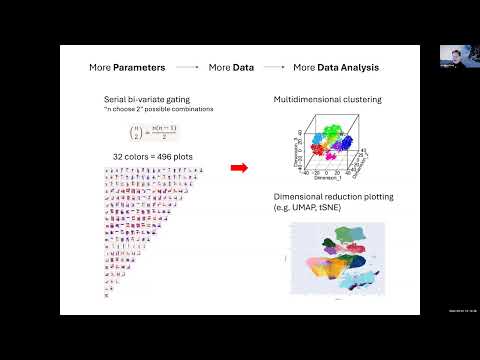
“Translating High Parameter Mass Cytometry To Routine Clinical Flow Cytometry Assays”
Dr. Andrew Weng
Session details
• Review historical implementation of multiparameter clinical flow cytometry assays.
• Understand rationale for high parameter assays.
• Compare/contrast conventional hierarchical gating vs. multidimensional data analysis approaches.
• Evaluate evidence for heterogeneity in FL and DLBCL.
• Review opportunities for improving clinical flow cytometry assays.
28-Feb-25

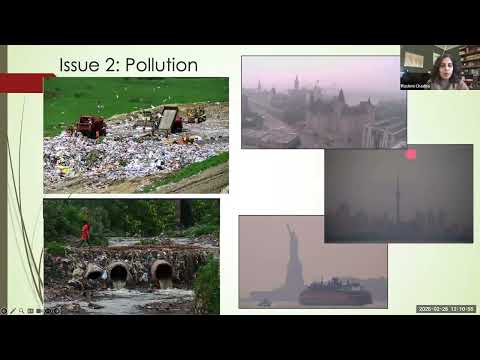
“Planetary Health is Medicine – Bringing the ABCs of the 21st century (Air purity and Biodiversity preservation, Curbing carbon emissions) to work as a physician”
Drs. Rashmi Chadha, Andre Mattman, Tyler Smith, and Tony Ng (Session chair)
Session details
1. Describe the unintended consequences, to health, of practicing patient centred care without regard to Planetary Health.
2. Provide examples of projects that can reduce the carbon footprint and/or waste of our hospitals.
3. Discuss how clinical and laboratory physicians can model best practices for Planetary Health by emphasizing this consideration in daily decision making.

21-Feb-25

“Combined DPLM-PLMS Business Meeting”
Update from the Chair, Update from Vice Chairs, PLMS update
Session details
1. Update from the Chair – Dr. Zu-hua Gao: External review report; List of priorities for the year 2025; PathDay event.
2. Update from Vice Chairs: Dr. Cheryl Wellington, Vice Chair of Research; Dr. David Huntsman, Vice Chair of Innovation and Knowledge Translation; Dr. Hélène Côté, Vice Chair of Scientific Education; Dr. Michael Nimmo, Vice Chair of Clinical Education.
3. PLMS update – Craig Ivany: Provincial Digital Pathology; Cross Sector engagement; Canadian Alliance of Medical Laboratory Professionals Regulators (CAMLPR); Cellular Therapy (CAR-T).

7-Feb-25
“Clinical Cancer Genomics Strategic Plan”
Dr. Alexander Wyatt, Associate Professor in Urologic Sciences at the University of British Columbia
Session details
1. Understand our vision for a centralized clinical genomics platform that supports equitable access to precision oncology as a standard of care while fostering advancements in research.
2. Be informed about our progress of developing the 5-year strategic plan for clinical cancer genomics.
3. Engage in discussions on the utilization of precision oncology genomic tests, and strategies on translating research and innovation into clinical practice to guide treatment planning.

31-Jan-25

“Cybersecurity Awareness”
Information Security Team within the Office of the Deputy CIO Medicine
Session details
• Understand Current Cybersecurity Scams: Learn about the latest scams and how to identify them.
• Strengthen Your Defenses: Discover tips and best practices to secure your accounts and keep your devices safe.
• Test Your Knowledge: Put what you learned to the test by participating in a live Kahoot! quiz. The winner will receive a $25 gift card.

10-Jan-25

“New Approaches Towards Anti-Clotting Therapeutics, Surfaces and Anticoagulant Neutralizing Agents”
Dr. Jay Kizhakkedathu
Session details
• Understanding on the influence of biological polyanions such as polyphosphate, extracellular nucleic acids in thrombosis and inflammation.
• Novel strategies in the design of antithrombotic therapeutics and antithrombotic surfaces without bleeding challenges.
• Development of a universal heparin reversal agent utilizing charge switching polycation design.
Cancelled sessions: 15-Nov-24, 11-Oct-24, 20-Sept-24 (PALS: Province-wide Pathology Rounds)
This session is available upon request. Please contact us if you wish to access the content.
20-Dec-24

“Competitive Research Funding Proposals, from Start to Finish”
Dawn McArthur, PhD – Director, Research and Technology Development, BC Children’s Hospital Research Institute, PHSA and UBC
Session details
1. Thinking about and planning your research.
2. Converting your ideas to an easily-reviewed proposal.

13-Dec-24

“Recent Updates and Most Encountered Questions in Uropathology”
Dr. Gang Wang
Session details
• Highlight key updates in classification, diagnostic approaches, grading systems, and molecular testing relevant to uropathology.
• Explore common diagnostic dilemmas and how to approach them effectively.
• Provide insights into distinguishing challenging histologic features in uropathology cases.

06-Dec-24

“Single-molecule Insights for Therapeutic Discovery, Development and Diagnostics: The Next Level of Resolution”
Dr. Sabrina Leslie, Associate Professor, Michael Smith Laboratories
Session details
• New tether-free CLiC imaging technology allows DNA, RNA, protein molecules to be imaged one at a time.
• The interactions and dynamics of these molecules can be visualized and quantified in real time and in response to changes in environment, allowing new insights to be obtained into mechanisms of action.
• Direct characterization of the size and mRNA payloads of lipid nanoparticle delivery vehicles can also be achieved.
• Perturbing the solution environment, such as pH, and observing the dynamics of the nanoparticles, such as fusion or release, allows mechanisms of delivery to be investigated.
• Furthermore visualizing single molecules inside living cells, using the same CLiC platform, allows for new insights to be obtained “from the single cell level and down”, thus marrying experiments with “biological complexity” (single cells and up) with biophysical rigour (single molecules).
29-Nov-24

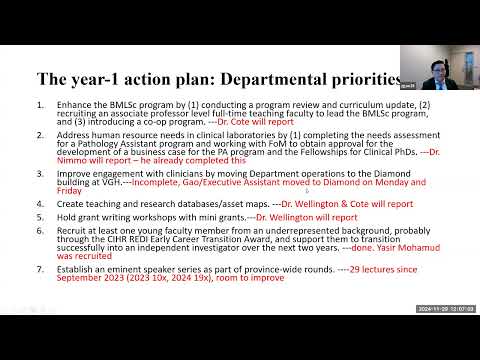
“Creating an Accountable Organization: UBC Department of Pathology & Laboratory Medicine Strategic Plan Implementation 2023–2024”
Dr. Zu-hua Gao & Dr. Hélène Côté
Session details
What did we set out to do? What have we accomplished? What haven’t we accomplished? What are the lessons we’ve learned? What do we plan to do next year?
This session is available upon request. Please contact us if you wish to access the content.
22-Nov-24

“Coaching and Feedback in the Era of Competence-by-Design”
PALS presentation: Dr. Rose Hatala, MD, MSc, FRCPC
Session details
1. Understand coaching in clinical education and graduate supervision.
2. Reflect on conditions to promote meaningful feedback conversations with learners.

08-Nov-24

“New Developments in Mesothelial Pathology”
Dr. Andrew Churg
Session details
Andrew Churg received his MD and PhD from the University of Chicago. He has been at the University of British Columbia, where he is now Professor of Pathology, since 1980. He is also a pathologist at Vancouver General Hospital. His areas of interest are lung and pleural pathology. He has published more than 400 journal articles, 75 book chapters, and 9 books in this area, including the 4th Series Fascicle: Tumors of the Serosal Membranes, and Atlas of Interstitial Lung Disease Pathology, now in its second edition. He serves as Chairman of the US-Canadian Mesothelioma Reference Panel. He is an editorial board member on 13 journals in the fields of clinical and experimental respiratory medicine, pathology, and particle toxicology.

01-Nov-24

“Serosurveillance: A Vital Part of a Public Health Lab Toolkit”
Dr. Inna Sekirov & Dr. Agatha Jassem, BCCDC
Session details
1. Describe serosurveillance techniques.
2. Define the benefits and limitations of serosurveillance and how it is complementary to other surveillance tools.
3. Provide examples of serosurveys, including for respiratory viruses and emerging pathogens.
Not available online
25-Oct-24

“Deep Learning 4 (Nephro)Pathology… the future begins now”
Dr. Peter Boor, MD, PhD, Professor and Chair of Translational Nephropathology at RWTH Aachen University, Germany
Session details
Artificial Intelligence (AI) and Deep Learning (DL) hold great promise to transform pathology practice. Currently, the majority of commercially available products and AI research focuses on end-to-end AI, i.e., an approach in which the model learns all the steps between the initial input and the final output, providing qualitative or semiquantitative (class) data. An alternative approach to analyze histomorphology is using DL-based segmentation of relevant histological compartments and cells, followed by extraction of relevant quantitative data (features). If done on a large scale, it is termed pathomics, representing a novel -omics approach for morphology at the microscopical level. This lecture will provide comparisons between end-to-end models and pathomics, examples of pathomics in research, and examples of challenges in bringing DL into clinical practice.
Not available online
18-Oct-24

“Update on the Department’s Research and Clinical Education”
Dr. Cheryl Wellington, Vice Chair of Research, and Dr. Mike Nimmo, Vice Chair of Clinical Education
Not available online
04-Oct-24

“A rollercoaster ride with hypoxia through oxygen mimetics to DNA repair inhibitors and visiting extravascular drug distribution on the journey”
Dr. Andrew Minchinton, Associate Professor, Pathology and Laboratory Medicine, UBC; Distinguished Scientist, BC Cancer Agency
Session details
Hypoxia was identified as a modulator of radiosensitivity over 100 years ago, and more recently, the presence of hypoxic cells in many cancers and its role in outcomes following radiotherapy, chemotherapy, and even surgery has been widely recognized. In this talk, Dr. Minchinton will describe evidence linking hypoxia to treatment resistance and highlight potential therapeutic strategies, including oxygen mimetics, bioreductive cytotoxins, and DNA repair inhibitors. Hypoxia represents a clinically validated target with significant potential, but one that remains underutilized in treatment.

13-Sept-24

“Whole Blood Coagulation Testing: Does it Belong in the Hospital Lab?”
Dr. Tyler Smith, Clinical Assistant Professor, Dept of Pathology and Laboratory Medicine, UBC; Hematopathologist, VGH
Session details
1. Explain how ROTEM and TEG assess in vitro whole blood coagulation.
2. Describe the potential clinical uses for ROTEM/TEG in patient management.
3. Articulate the logistical challenges of implementing ROTEM/TEG in the hospital laboratory.

06-Sept-24

“B cell responses to lung cancer”
Dr. Katey Enfield, Assistant Professor, BC Cancer Research Centre, Pathology and Lab Medicine, UBC
Session details
1. B cell responses in lung cancer involve tumour-specific antibodies that recognise a class of deregulated self-antigens called endogenous retroviruses and are relevant to immunotherapy response.
2. Spatial analysis of the lung tumour microenvironment complements cancer genomics and reveals multicellular communities that are correlated with features relevant to immunotherapy response, such as neoantigen burden.
21-Jun-24

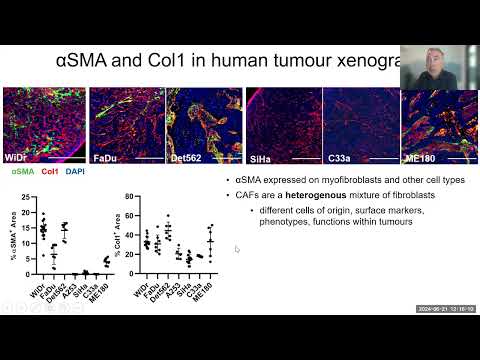
“Angiotensin receptor blockers as potential adjuvants for anti-cancer radiation therapy and immunotherapy”
Dr. Kevin L Bennewith, Distinguished Scientist, Integrative Oncology Department, BC Cancer; Professor, Department of Pathology and Laboratory Medicine, UBC
Session details
1. To understand how the heterogeneous microenvironment in solid tumours can influence therapeutic outcome.
2. To discuss potential pleiotropic effects of commonly prescribed angiotensin receptor blockers.
3. To consider how angiotensin receptor blockers may be used to improve cancer therapy.

24-May-24

“B Cell Lymphoma Modelling: From Pathogenesis to Therapeutics”
Dr. Leandro Venturutti, Assistant Professor, Pathology and Laboratory Medicine, UBC; Scientist, Terry Fox Laboratory, BC Cancer Research Institute; Scientist, Center for Lymphoid Cancer, BC Cancer Research Institute
Session details
1. Highlight current challenges in the management of B-cell lymphomas.
2. Assess strengths and limitations of classical and modern preclinical models.
3. Illustrate how GEMMs can advance our understanding of the disease and targetable biology.
Not available
17-May-24

“What is evidence-based tumor classifications? Introduction to evidence grading and mapping for pathology”
Dr. Nick Myles, MD, PhD, MSc, FRCPC, DRCPSC, Providence Health, Pathology
Session details
1. Reflect on what is tumor taxonomy with the focus on WHO tumour classification systems.
2. Critically assess strengths and weaknesses of the current tumor taxonomy.
3. Become aware of the approaches to evidence grading and mapping to inform future of tumor classifications and cytology systems.
10-May-24

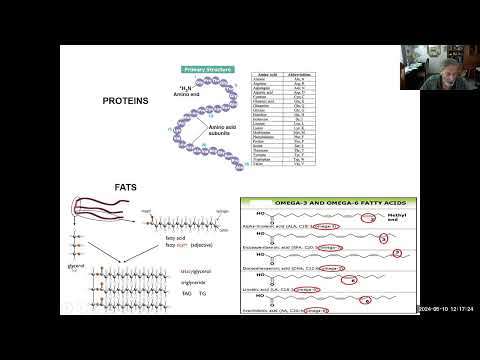
“The Role of Diet in Cancer Prevention”
Dr. Gerald Krystal, Professor, Distinguished Scientist, Pathology and Laboratory Medicine, UBC
Session details
1. To learn the role that sugar, easily digestible carbohydrates and insulin play in chronic inflammation and their promotion of cancer.
2. To learn the importance of resistant starch and soluble fiber in reducing chronic inflammation.
3. To learn the role of omega 3 and omega 6 fatty acids in chronic inflammation and cancer prevention.
Not recorded
03-May-24

Dr. Geraldine Walsh, PhD, Development Scientist, Canadian Blood Services
Session details
1. Have an overview of my career path in the blood sciences field.
2. Be equipped with self-reflection aids as they navigate their career paths.

26-Apr-24
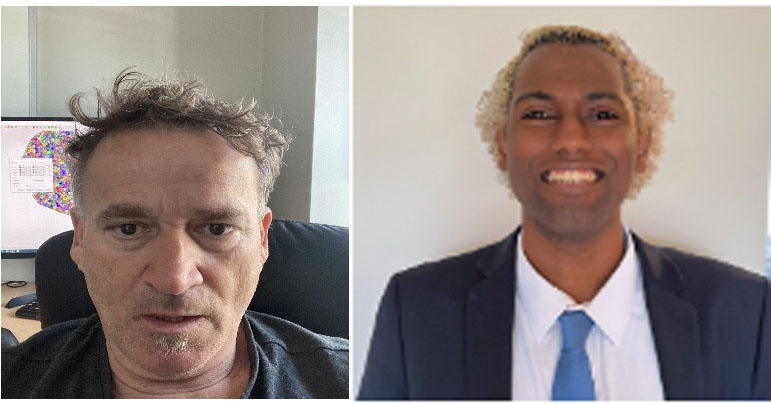
“Large-scale DNA Organization: an imaging biomarker of epithelial cancers aggressiveness”
Dr. Martial Guillaud, PhD Assistant Professor (Partner), Dept of Pathology & Laboratory Medicine, UBC; Senior Scientist, Dept of Integrative Oncology, BC Cancer Research Institute; Adjunct Professor, Dpt. of Statistics, UBC & Dr. Yasir Mohamud, PhD
Session details
Dr. Martial Guillaud Learning Objectives: 1) Understand the concept of Large-scale DNA organization in cancer cells; 2) Applications of LDO as a prognosis biomarker of oral, breast, lung, and prostate cancer.
Dr. Yasir Mohamud Learning Objectives: 1) Mechanisms of viral pathogenesis: viral-mitochondria interface; 2) The Role of Mitochondria in Inflammatory Heart Disease.

12-Apr-24

“Department Meeting”
Dr. Gao, Zu-hua – Professor and Department Head, Pathology and Laboratory Medicine; Staff Pathologist and Program Medical Director, Provincial Pathology & Laboratory Medicine, BC Cancer
Session details
This meeting is an opportunity for everyone to get updated on departmental matters, share insights, and contribute to our shared goals. Following the meeting, we’ll be hosting a Wine and Cheese Social at 5:00 pm. It’s a wonderful occasion to connect with colleagues and enjoy some relaxation time together.
12-Apr-24
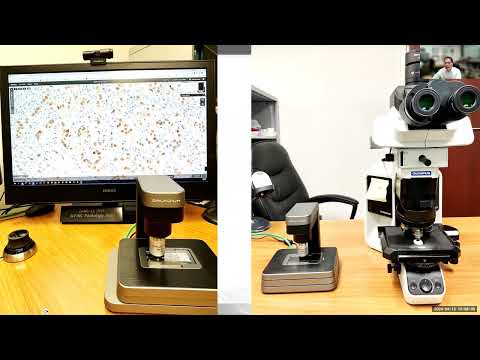
“Implementation of digital pathology and AI platforms for pathology practice: gearing up for a digital workflow”
Zaibo Li, MD, Ph.D, MBA, Professor of Pathology, Director of Cytopathology, Associate Director of Digital and Computational Pathology, The Ohio State University Wexner Medical Center
Session details
1. To gain knowledge of implementing digital pathology for primary diagnosis and other tasks.
2. To learn how to incorporate AI platforms for routine pathology practice in a digital workflow.
3. To gain knowledge of digital pathology in the field of education and research.
This session is available upon request. Please contact us if you wish to access the content.
05-Apr-24
“PLMS, Partnerships, and Value in Lab Medicine: the Challenges and Opportunities in Advancing Service Coordination in BC’s Lab Environment”
Dr. Steven Loken – practicing anatomical pathologist, Nanaimo Regional General Hospital; Chief Medical Laboratory Officer, Provincial Laboratory Medicine Services (PLMS)
Session details
1) Understand the governance structure, partnerships, and select projects of PLMS.
2) Learn the key areas of pressure facing lab systems in BC today.
3) Identify opportunities to assess value of laboratory medicine.

22-Mar-24
“My Journey to Leadership in Medicine”
Dr. Anita Palepu, Professor and Eric W. Hamber Chair and Head of the Department of Medicine at the University of British Columbia
Session details
1. My road to leadership in medicine.
2. Reflections and challenges.
3. Answer questions and foster discussion.

15-Mar-24
“Next-generation cytogenetics: Optical genome mapping in hematologic malignancies”
Dr. Eric McGinnis, Clinical Assistant Professor, Department of Pathology and Laboratory Medicine, UBC; Hematopathologist, VGH
Session details
1. Discuss the basic principles of optical genome mapping as a diagnostic genomic assay.
2. Describe main advantages of optical genome mapping relative to conventional cytogenetic testing.
3. Explain potential clinical and research benefits of optical genome mapping.

08-Mar-24
“Clinical Implementation of Homologous Recombination (HR) Testing and Morphologic Correlations for HR-deficiency in High-Grade Serous Carcinoma”
Dr. Mary Kinloch, Associate Professor, Pathology and Laboratory Medicine, University of Saskatchewan
Session details
1. Define homologous recombination repair (HRR) in ovarian cancer.
2. Appraise Illumina and ThermoFisher platforms for HRR testing.
3. Evaluate morphologic characteristics of HR-Deficient high-grade serous carcinoma.

01-Mar-24
“Leveraging 3D imaging and analysis tools to understand diffuse brain injury in rodents”
Dr. Mehwish Anwer, Postdoctoral Research Fellow – Dr. Wellington Lab, UBC
Session details
1. Challenges in Traumatic Brain Injury research.
2. Introduction to 3D labelling and imaging for TBI research.
3. Spatial transcriptomics as a novel tool for mechanistic insights.
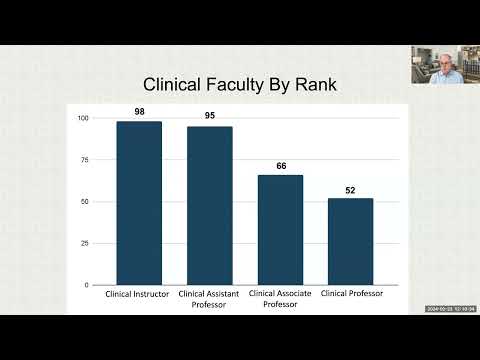
23-Feb-24
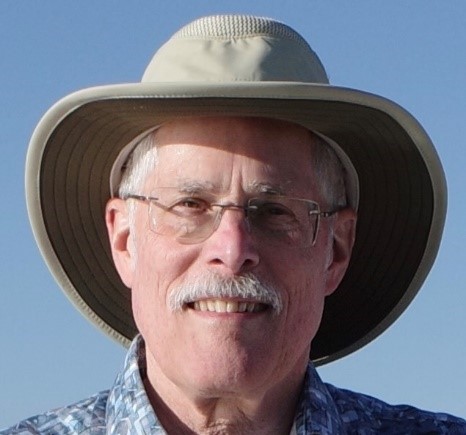
“Keeping track of your teaching activities – and why it matters”
Dr. Wes Schreiber, Professor Emeritus, UBC
Session details
1. Review the metrics related to teaching and support of educational activities.
2. Discuss how the educational activities of department members are recognized (e.g., promotion).
3. Test drive a simplified form to record your teaching activities and accomplishments.
This session is available upon request. Please contact us if you wish to access the content.
16-Feb-24
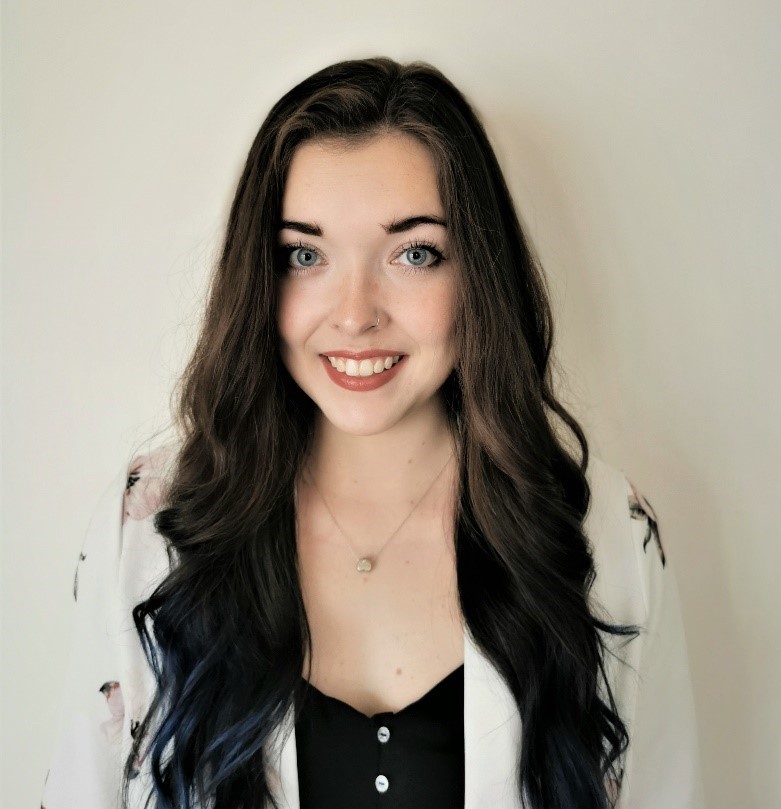
“Towards pathology-specific biomarkers of frontotemporal dementia with TDP-43 pathology”
Dr. Lauren Forgrave, PhD, DeMarco Lab
Session details
1. Compare and contrast the phases of biomarker discovery and verification.
2. Describe methods used to enrich for disease-specific TDP-43 proteoforms from human brain tissue.
3. List TDP-43 proteoforms that are associated with frontotemporal dementia with TDP-43 pathology.
Not available
09-Feb-24
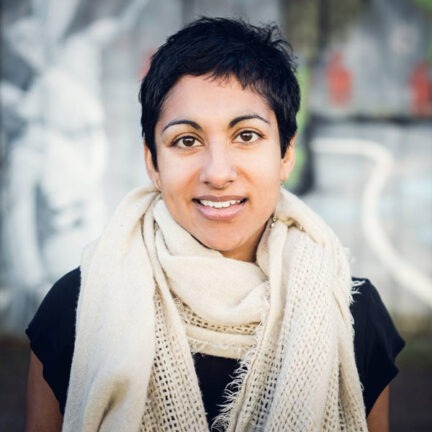
“Gut Health: Navigating the Inner Seas”
Dr. Thara Vayali, B.Sc., M.A., ND
Session details
1. Review the digestive system and processes.
2. Learn which foods help the gut microbiome.
3. Dive into the food + mood connection.
This session is available upon request. Please contact us if you wish to access the content.
02-Feb-24
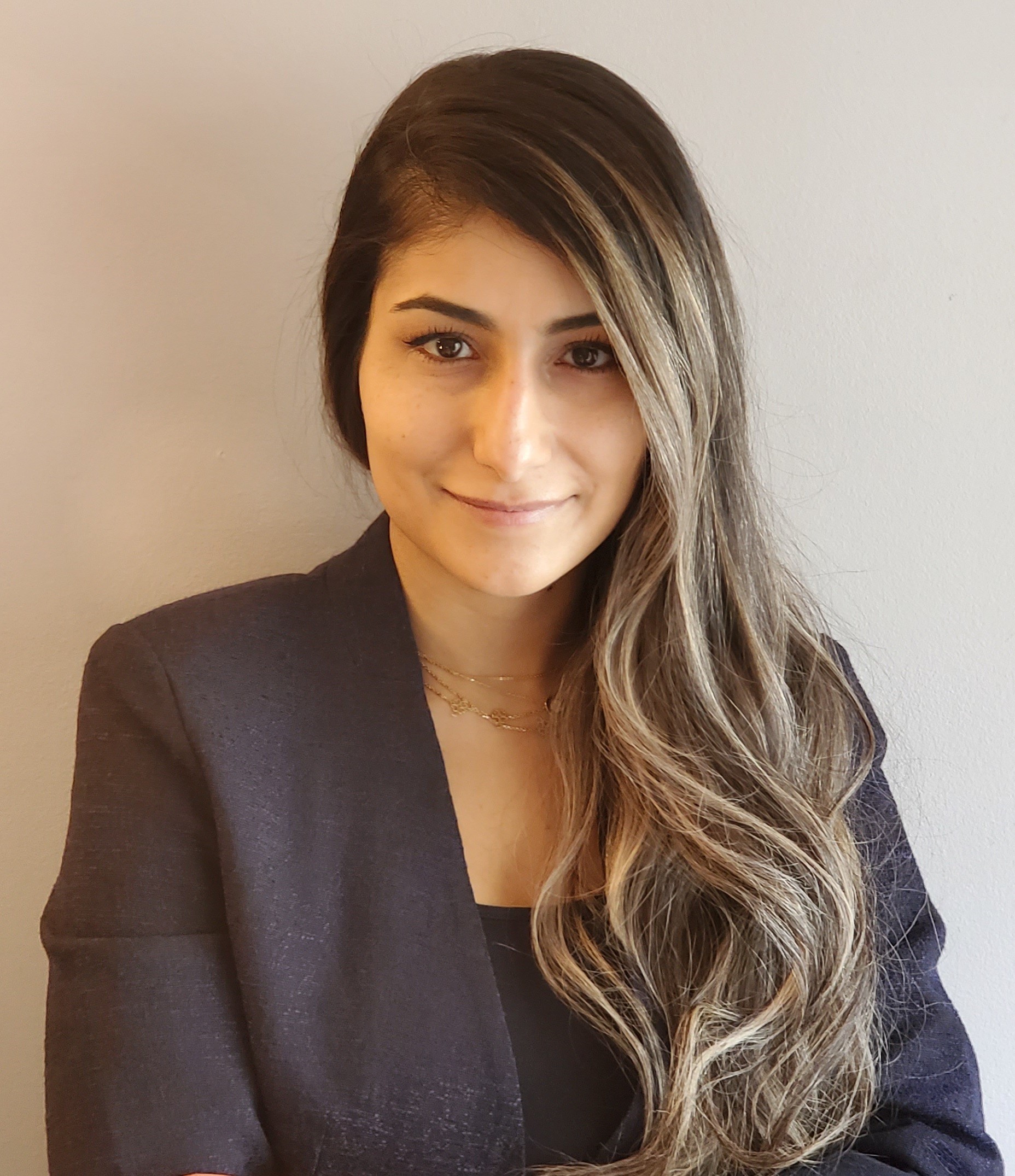
“The Social rules that govern cells in embryonic society”
Dr. Nika Shakiba, Assistant Professor in the School of Biomedical Engineering (SBME) at UBC
Session details
1. The mammalian embryo is shaped by competitive interactions between cells, which drives the elimination of cells early in development.
2. Cell competition is also seen in pluripotent stem cells, in vitro equivalents of early embryonic cells that can be used to derive all the cell types of the body for cell therapies.
3. In vitro and in silico models can be leveraged to understand how and why competition shapes the embryo’s fate, as well as how this impacts stem cell-derived cell therapy manufacturing.

26-Jan-24
“seed2STEM: Summer research program for Indigenous youth”
Dr. Corree Laule, Associate Professor, Dept of Pathology & Laboratory Medicine, UBC; Vice Chair, Research in Radiology and Associate Director, Education for ICORD & Cheryl Niamath, Communications and Administrative Manager ICORD
Session details
1. To become familiar with the under-representation of Indigenous peoples in STEM fields.
2. To review the history of the seed2STEM program.
3. To understand how to create appropriate student projects in seed2STEM.

19-Jan-24
“What’s New in Number 2: Diagnostics for Diarrheal Disease”
Dr. David Goldfarb, Clinical Associate Professor, UBC; Medical Microbiologist, BC Children’s Hospital
Session details
1. Understand the global burden of childhood enteric infections.
2. Learn of new insights from enhanced diagnostic studies of diarrheal disease.
3. Appreciate how diagnostics can be used to help address diarrheal disease.

12-Jan-24

Dr. Yemin Wang: “Opportunities and challenges in studying rare cancers” | Dr. Ali Bashashati: “AI-Assisted Cancer Biomarker Discovery in the Digital Pathology Era”
Dr. Yemin Wang & Dr. Ali Bashashati
Session details
Dr. Ali Bashashati Learning Objectives: 1. Explain the role of AI in transforming pathology. 2. Describe how AI assists in prognostic and predictive assessment, including a case study in gynecological cancers. 3. Future trends and possibilities in pathology AI.
Dr. Yemin Wang Learning Objectives: 1. Understand the approaches in studying rare cancers. 2. Understand the pathobiology of SMARCA4/2-deficient cancer. 3. Understand the genetics driving cancer development and progression in DICER1 syndrome patients.

15-Dec-23
“Vice Chair Research, Department of Pathology and Laboratory Medicine: First Year Review”
Dr. Cheryl Wellington, PhD, Vice-Chair of Research (DMCBH), Professor, Department of Pathology and Laboratory Medicine, UBC

08-Dec-23
“Clinical/Scientific Education – Department Strategic Plan”
Dr. Michael Nimmo, MD, FRCPC & Dr. Helene Cote, PhD

01-Dec-23
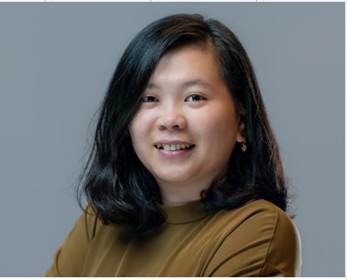
“Targeting RNA modifications in Myeloid Leukemia”
Dr. Ly Vu, PhD, Assistant Professor at Faculty of Pharmaceutical Sciences at UBC and a Scientist at the Terry Fox Laboratory, BC Cancer
Session details
1. Understand the complexity of post-transcriptional gene expression regulation.
2. Understand how RNA modifications controls gene expression.
3. Understand therapeutic approaches to target the RNA methylation in myeloid leukemia.
24-Nov-23
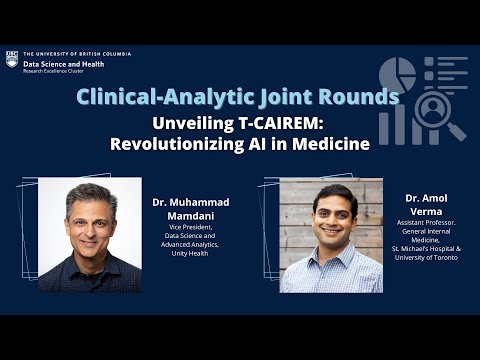
“Unveiling T-CAIREM: Revolutionizing AI in Medicine”
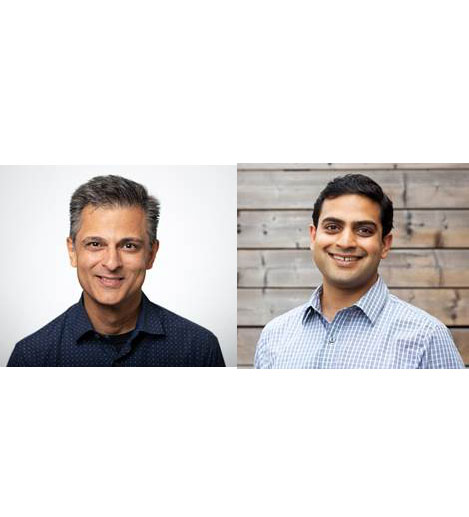
Dr. Muhammad Mamdani, PharmD, Vice President, Data Science and Advanced Analytics, Unity Health Toronto; Director, Temerty Faculty of Medicine Centre for AI Education and Research in Medicine, University of Toronto
Dr. Amol Verma, MD, Assistant Professor in General Internal Medicine, St. Michael’s Hospital; Temerty Professor of AI Research and Education in Medicine, University of Toronto
Session details
Dr. Muhammad Mamdani: 1. Provide an overview of T-CAIREM at the University of Toronto. 2. Highlight activities in AI in medicine in the areas of education, research, and infrastructure. 3. Outline areas for national collaboration in AI in medicine.
Dr. Amol Verma: 1. Understand a rationale for early warning systems for patient deterioration. 2. Learn an approach to identifying when ML solutions can be helpful for clinical issues. 3. Appreciate how a structured approach to implementation improves the integration of ML solutions in clinical workflow.
Password protected
17-Nov-23
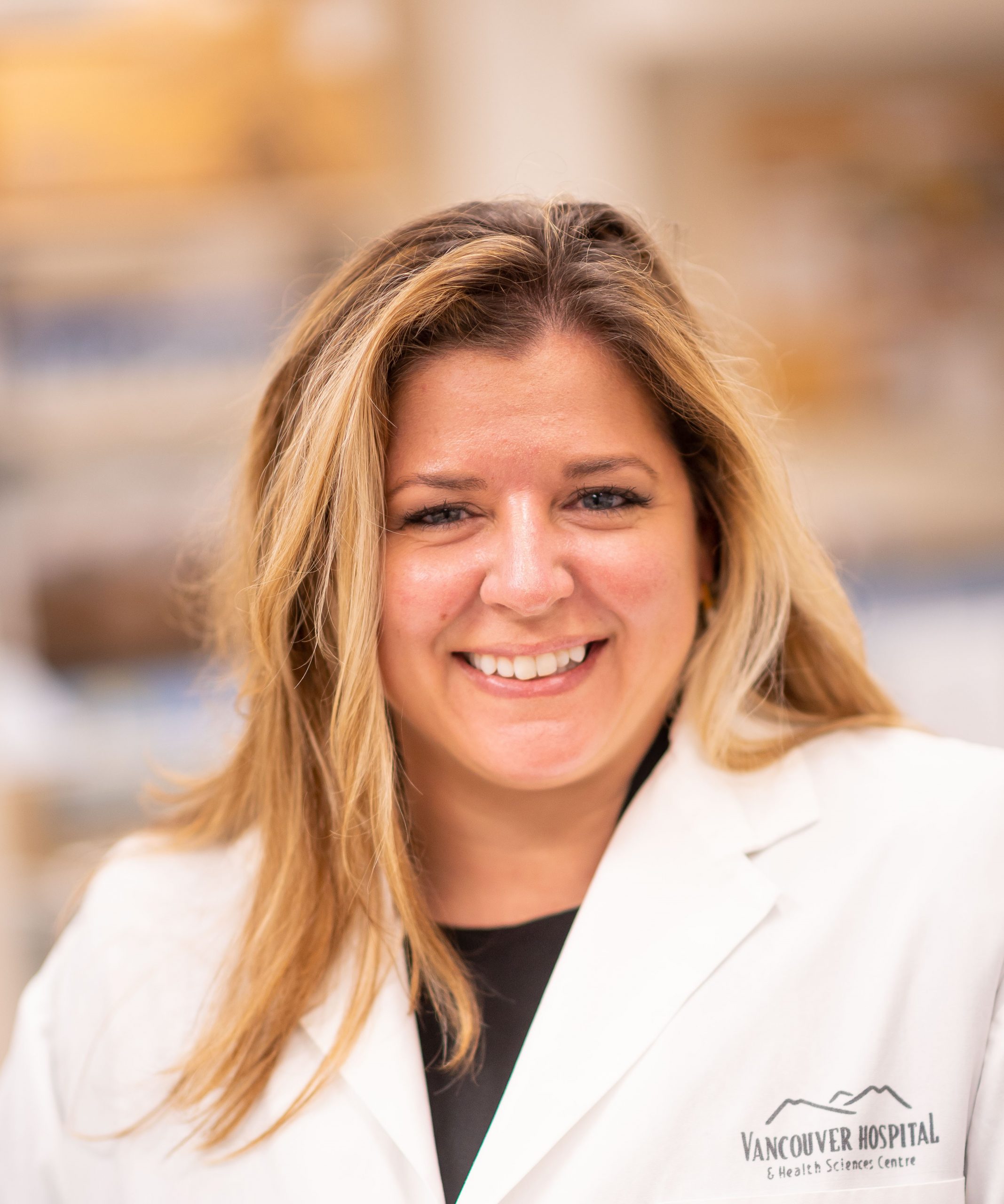
“So You Want to Run a Clinical Laboratory? Key Considerations and Opportunities for Aspiring Practitioners”
Dr. Lucy Perrone, MSPH, PhD – Donald B. Rix Professor of Laboratory Quality; Chair, Canadian Microbiology Proficiency Testing Program (CMPT); Director, Program Office for Laboratory Quality Management; Associate Professor, UBC Department of Pathology and Laboratory Medicine
Session details
Participant will be able to: 1. Identify the major requirements of laboratory quality compliance to international quality standards; 2. Relate the international quality standard for laboratory quality conformance to Canadian laboratory practices and provincial regulation.
3. Summarize the new role of point of care testing regulation as part of the international standard for medical laboratory quality.

10-Nov-23
“Hunting for bird flu in the mud: genomic surveillance of avian influenza viruses using environmental specimens from wetland habitats”
Dr. Kevin Kuchinski, PhD, Genomics Specialist, Prystajecky Lab, British Columbia Centre for Disease Control
Session details
Learning Objectives: Understand the importance of avian influenza surveillance and the limitations of wildlife testing. Understand the technical challenges of sequencing viral genomes in environmental specimens. Understand how genomic data from environmental specimens can be interpreted to answer practical surveillance questions.
27-Oct-23
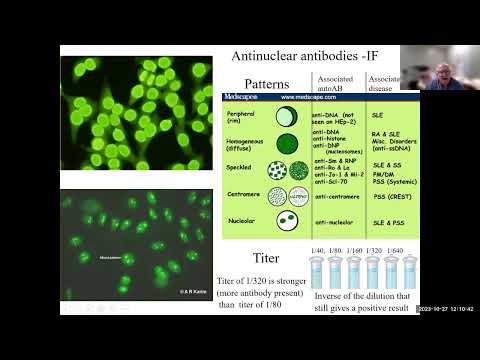
“‘High’ Volume Autoimmune Testing in BC – An Overview Part 2”
Dr. Michael Nimmo, BA, BSc Honours, LLB, MD (UBC), LMCC, FRCPC; Clinical Professor, UBC; Program Director, UBC Residency Training Program in General Pathology; Pathologist, Vancouver General Hospital
Session details
Learning Objectives: List methods of testing used to identify ANA, ENA, dsDNA, ANCA and APSA. List clinical indications for such testing. List locations within BC that perform such tests.
29-Sept-23
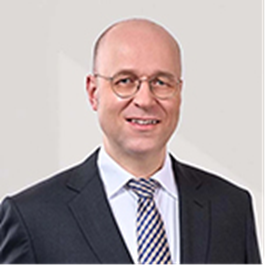
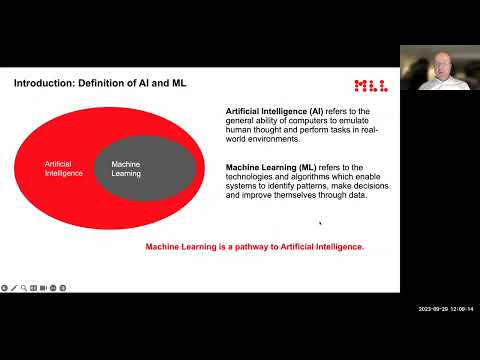
“From Data to Diagnosis: Machine Learning and AI enhance Hematologic Neoplasm Detection in the Pathology Lab”
Dr. Wolfgang Kern, Professor, Executive Management Internist, Hematologist and Oncologist, Head of Immunophenotyping
Session details
Learning Objectives: Become familiar with ML and AI principles. Learn about ML and AI applications realized in a diagnostic lab. Get an idea on future application of ML and AI in diagnostics.

15-Sept-23
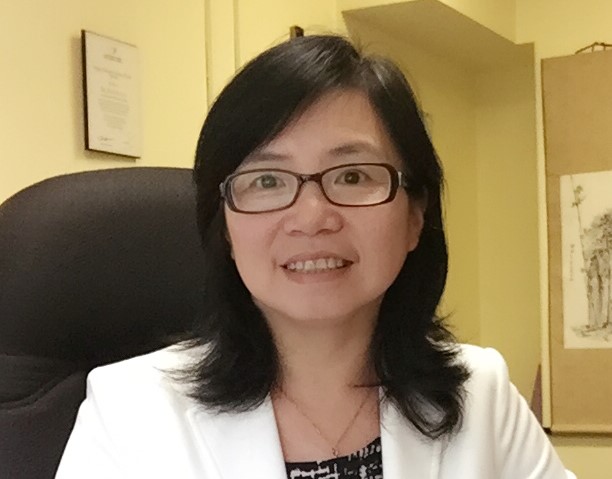
“Mastering Immune Chaos: Strategic Interventions for Viral Myocarditis via Innate Pathway Modulation”
Dr. Honglin Luo, MD, MSc
Session details
Viral myocarditis remains the leading cause of heart failure and sudden death in children and young adults worldwide. Despite great efforts, there is currently no clinically-proven treatment available. Dr. Luo will discuss her recent studies that explore the role of innate immunity in viral myocarditis, with the goal of developing innovative treatments for this disease.

8-Sept-23
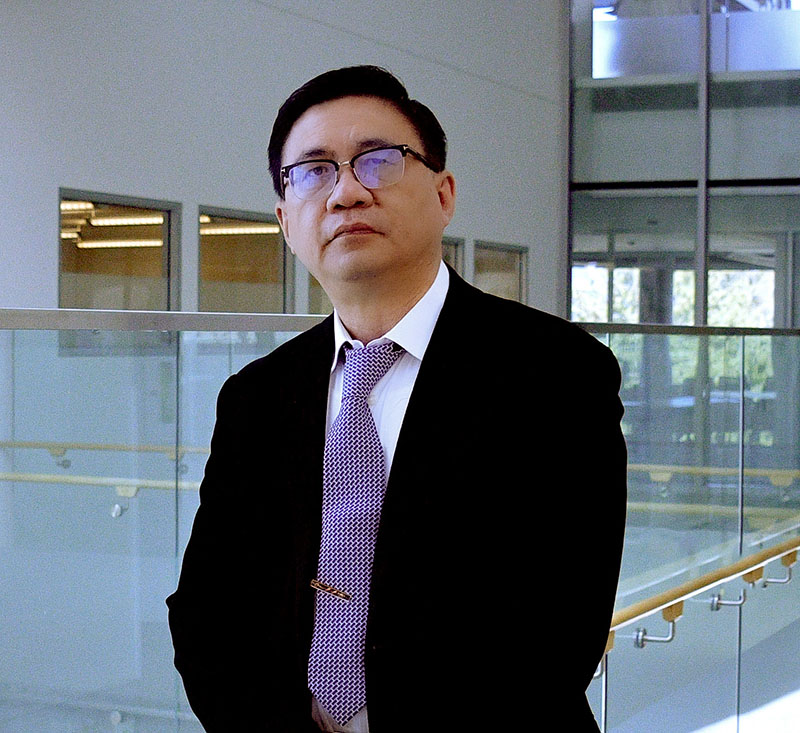
“Strategic Plan: Transform the Future of Pathology and Laboratory Medicine”
Dr. Zu-hua Gao, Professor and Head, UBC Department of Pathology & Laboratory Medicine; Program Medical Director, Provincial Pathology & Laboratory Medicine, BC Cancer

30-Jun-23
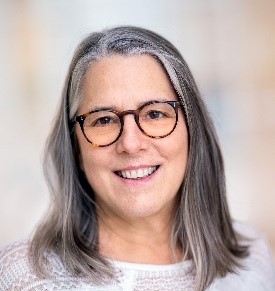
“PALM Graduate Program Curriculum Consultation”
Helene Cote, PhD, Professor and Program Director / Graduate Advisor, Graduate Studies Vice-Chair, Scientific Education, Department of Pathology and Laboratory Medicine, UBC
Session details
The field of Pathology and Laboratory Medicine is fast evolving with the advent of new technologies, as well as emerging research and clinical tools. The objective of this consultation is to briefly review the courses currently offered as part of the PALM graduate curriculum, then discuss how our curriculum can best equip our graduate students for both their research projects and future career. We welcome input from current and past PALM trainees and their supervisors, Post-Doctoral Fellows, PALM Clinical faculty, residents, as well as other stakeholders.

23-Jun-23
“Optimal histological assessment of tumor tissue for molecular testing and biomarker evaluation”
Deepu Alex, MD, PhD, Clinical Assistant Professor, UBC; Consultant Pathologist, BCCA
Session details
Understand the current landscape of biomarkers required for the evaluation of different tumors. Learn the differing tumor tissue requirements based on the type of biomarker test being performed. Discuss strategies for best use of tumor tissue to allow for simultaneous evaluation of multiple biomarkers.
Not available
16-Jun-23
“The Role of Noncoding Genes in the Pathogenesis and Vulnerabilities of Myeloid Cancers”
Karsan, Aly, BA, MD (Queen’s); BC Cancer Research Centre; Professor, UBC, Distinguished Scientist
Session details
Discuss how gene expression can improve risk stratification in myeloid cancers. Explain alternate mechanisms of therapy resistance in myeloid cancers. Discuss how genomics research will potentially shape the development of diagnostic and prognostic cancer assays.

26-May-23
“Capturing the Immune System: Implementation of the Flow Cytometry Panels for Immunodeficiency at BC Children’s Hospital”
Audi Setiadi, PhD, Hematopathologist at BC Children’s Hospital; Clinical Assistant Professor at the University of British Columbia
Session details
Describe the role of Flow Cytometry in the laboratory approach for Primary Immunodeficiency. Discuss the role of Flow Cytometry as Confirmatory test for SCID Newborn Screening. Discuss the implementation of extended T, B and NK cell Flow Cytometry panels at BCCH and their clinical utility with real case examples.
19-May-23
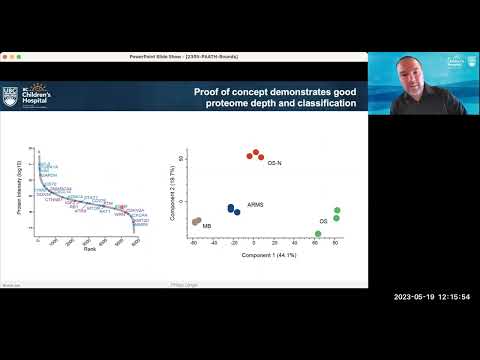
“Canada’s path towards proteome guided therapies and advanced molecular pathology in precision oncology”
Philipp Lange, PhD, Canada Research Chair in Translational Proteogenomics of Pediatric Malignancies; Assistant Professor of Pathology at UBC; Scientist in the Michael Cuccione Childhood Cancer Research Program at BC Children’s Hospital and the BC Cancer Research Institute
Session details
Understand what proteome profiling can contribute to precision oncology. Appreciate the benefit and potential feasibility of preemptive target identification. Learn how the Canadian Pediatric Cancer Consortium strives to advance pediatric cancer care and research.
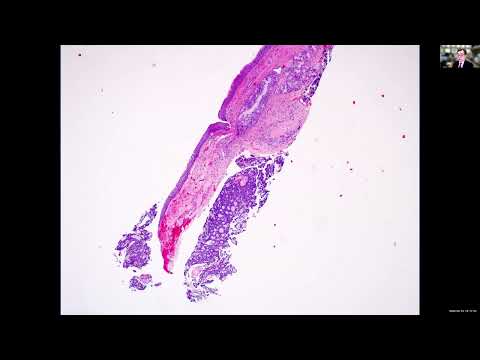
12-May-23
“Applications of Novel Molecular Tests in Head and Neck Pathology: A Case-Based Approach”
Dr. Qihui Jim Zhai, MD, FCAP, Director of Research; Director FISH Laboratory; Professor and Consultant Pathologist, Mayo Clinic Florida; Governor, Chair Investment Committee; Vice Chair Council on Membership and Career Development
Session details
Develop an understanding of the morphologic spectrum of salivary gland tumors and the potential diagnostic pitfalls. Learn about the latest biomarkers used in the diagnosis and therapy of salivary gland tumors. Gain an understanding of the morphologic spectrum of HPV-mediated oropharyngeal squamous cell carcinoma and the applications of liquid biopsy in its diagnosis and management of patients.

5-May-23

“Practicing Pathology in a CODE RED for Humanity”
Dr. Andre Mattman, Clinical Professor, UBC; Medical Biochemist, St. Paul’s Hospital; Medical Lead, Medical Biochemistry

28-Apr-23
“‘High’ Volume Autoimmune testing in BC – An Overview Part 1”
Dr. Michael Nimmo, Clinical Professor, UBC; Program Director, UBC Residency Training Program in General Pathology; Pathologist, Vancouver General Hospital

14-Apr-23
“Better together: the people, programs, and services of the lab in Fraser Health”
Dr. Michelle Wong and Dr. Carolyn Shiau
Session details
To provide an overview of Fraser Health. To discuss initiatives within Fraser Health.
31-Mar-23
“Changing Paradigms of Graduate Education in the 21st Century”
Dr. Susan Porter, Dean and Vice-Provost, Graduate and Postdoctoral Studies at UBC
Session details
Appreciate the workforce, societal, and environmental issues that are influencing the approaches and values of graduate education. Reflect on the assumptions inherent to current models of research graduate education. Consider ways in which biomedical graduate education and research could help meet the evolving needs of the 21st century.

24-Mar-23
“Characterizing human brain and spinal cord microstructure with quantitative MRI and histology”
Dr. Cornelia (Corree) Laule, Associate Professor in the Departments of Pathology & Laboratory Medicine and Radiology; Associate Member of Physics & Astronomy; Vice Chair of Research in Radiology and Associate Director of the ICORD
Session details
To become familiar with different quantitative MRI methods used to study brain and spinal cord. To learn about post-mortem MRI validation studies in spinal cord injury. To review in vivo myelin MRI changes in different neurological conditions.

17-Mar-23
“The David Hardwick Pathology Learning Centre (DHPLC): What is it, where did it come from and where is it going?”
Dr. Gang Wang, MD, PhD, Consultant Pathologist, BC Cancer; Director, The David Hardwick Pathology Learning Centre; Clinical Associate Professor, UBC
Session details
What is the history of DHPLC? What is DHPLC doing? What is its future perspective?

10-Mar-23
“Panel Discussion on Career Planning and Job Applications”
Presented by: Dr. David Goldfarb, Dr. Lien Hoang, Dr. Veronica Hirsch-Reinshagen, Dr. Shazia Masud, Dr. Danielle Meunier, Dr. Tyler Smith (moderator)
Session details
Develop their own approach and plan for career development that incorporates strategies discussed in the session. Identify important considerations when applying for positions or interviewing candidates.

24-Feb-23
“Using the power of serological multiplex assays to track COVID-19”
Citlali Marquez, PhD – Research Project Leader at BCCDC
Session details
Introduce MSD’s multiplex assay and its applications on serological studies during COVID-19. Describe how antenatal residual samples can be used to track SARS-CoV-2 infection and vaccination rates in the general population. Describe applications of multiplex testing beyond COVID-19.

17-Feb-23
“Clinical Scientists in Action”
Agatha Jassem, PhD, FCCM; Graham Sinclair, PhD, FCCMG; Tanya Nelson, PhD, FCCMG; Tracy Tucker, PhD, FCCMG
Session details
Define the role of Clinical Scientists in healthcare service delivery in BC. Describe recent testing advancements within newborn screening in BC. Describe recent advances in clinical genome diagnostics in BC and related policy development. Describe new genetic testing initiatives in cancer care in BC.
Not available
10-Feb-23
“Panel Discussion – Laboratory Medicine and Private Industry”
Presented by: Dr. Tyler Smith (Chair), Dr. David Huntsman, Dr. Daniel Holmes, Dr. Marthe Charles, Dr. Andrew Shih
Session details
Describe ways in which relationships can be beneficial with private industry. Highlight some of the potential conflicts of interest to navigate when dealing with private industry. Formulate their own ethical approach to their private industry relationships.

3-Feb-23
“Scientific method and a book of spells: Bringing neurological and systemic autoantibody testing to BC”
Dr. Veronica Hirsch-Reinshagen – Neuropathologist at ICORD and Assistant Professor, & Dr. Mike Nimmo – Clinical Professor, Vice Chair Clinical Education and Residency Program Director
Session details
Understand the basic principles of autoantibody testing methodology. Review the type and clinical relevance of neurological autoantibody testing to be implemented in BC.

27-Jan-23
“Characterizing atherosclerosis at the molecular level to improve treatment outcome of anti-inflammatory therapies”
Dr. Ying Wang, PhD, Assistant Professor, Centre for Heart Lung Innovation
Session details
1. Tackle the problems seen in the CANTOS trial: using multiplex imaging to define the ‘bad’ cytokines in human coronary lesions. 2. Discuss who will benefit from colchicine: defining the therapeutic targets of colchicine in clinically relevant models and human coronary lesions.

20-Jan-23
“The Canadian Microbiology Proficiency Testing Program (CMPT): A Clinical Service and External Quality Assessment Partner for Laboratories Performing Microbiology Testing”
Dr. Lucy Perrone, Donald B. Rix Professor in Laboratory Quality at UBC
Session details
What does CMPT do to support diagnostic testing quality including test accuracy? How does CMPT support public and environmental health? How does CMPT implement its programs and provide continuing education to subscribing laboratories and community-based testing sites? How is CMPT peer-directed and how you might get involved.

9-Dec-22
“International System for Reporting Soft Tissue Cytopathology”
Dr. Ivan Chebib, Director of Immunohistochemistry Laboratory, Massachusetts General Hospital; Assistant Professor of Pathology, Harvard Medical School

2-Dec-22
“Noninvasive Technology Development for Monitoring and Validating Cell Therapy Manufacturing”
James Piret (MSL)
25-Nov-22
“SPH Pathology and Laboratory Medicine”
Dr. Daniel Holmes, Clinical Professor, Dept of Pathology and Laboratory Medicine; Division Head, Clinical Chemistry, St. Paul’s Hospital
18-Nov-22

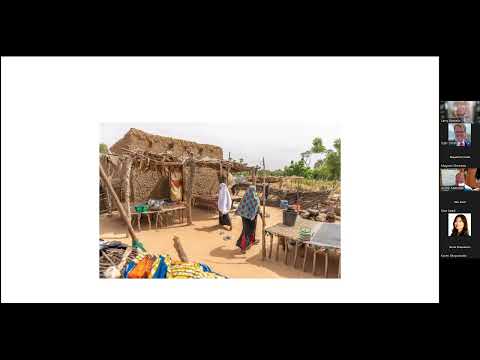
“Climate Change is the Crucial Health Issue of Our Time”
Dr. Larry Barzelai, MD, CCFP, Assistant Professor UBC; Chair of the BC Branch of the Canadian Association of Physicians for the Environment

4-Nov-22
“Understanding Lung Cancer Molecular Biology in Smokers and Non-smokers”
Dr. Wan Lam, Director of the Interdisciplinary Oncology Program at BC Cancer Research and Professor at UBC
Session details
To gain understanding on current research in lung cancer molecular biology. To gain understanding of how lung cancer in smokers and never smokers may develop through different genetic mechanisms.

28-Oct-22
“DEPARTMENT TOWN HALL: Creating our Strategic Plan”
Jane Cooke-Lauder
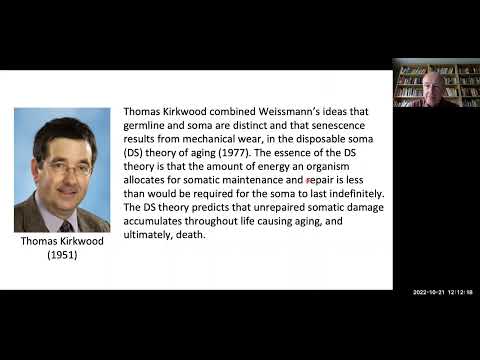
21-Oct-22
“Telomerase and Cell renewal in the context of Evolution Biology”
Peter Lansdorp, Distinguished Scientist, Terry Fox Laboratory, BC Cancer; Professor, Medical Genetics, UBC
Session details
Learning Objectives: recognize clinical features of telomere biology disorders. Appreciate telomere shortening as a powerful tumor suppressor mechanism that limits cell renewal in the hematopoietic, immune and cardiovascular system. Consider a novel model to explain why females have longer telomeres and live longer than males.

07-Oct-22
“BC COVID-19 Biobank Network (BCCBN): Promoting Access and Enabling Research”
Dr. Michael Chen – Co-Chair, BC COVID-19 Biobank Network and Head, Medical Biochemistry, Island Health
Session details
Learning Objectives: introduce BCCBN as a province-wide platform for biobanking. Describe BCCBN developments and subsequent benefits. Discuss specimen access and future directions.
This video is password protected, contact Mayumi Shimada to get access.
23-Sep-22
“Overview of the British Columbia laboratory service delivery model”
Craig Ivany, Chief Provincial Diagnostics Officer
Session details
Learning Objectives: identify and explore the nature of the laboratory service delivery sector in British Columbia. Identify and explore some of the contextual tensions that lab leaders may face. Implications/opportunities for the future of laboratory services in British Columbia.
16-Sep-22
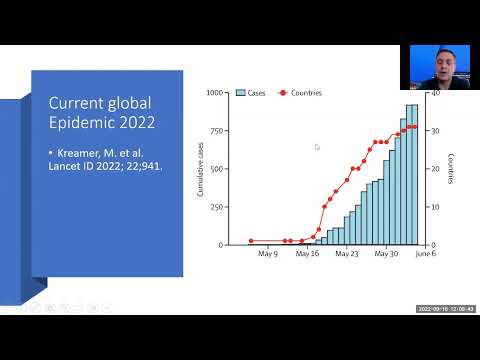
“The emergence of monkeypox in BC: clinical findings and BC testing data”
Drs. Agatha Jassem and Mark Hull from BCCDC
Session details
Learning Objectives: review clinical presentation of monkeypox. Management options for symptomatic infection.

9-Sep-22

“Epigenetics and the Human Life Course”
Dr. Michael S. Kobor, Professor of Medical Genetics
Session details
Learning Objectives: to learn about the importance and complexity of epigenetics across the human life course. To understand the various ways by which the epigenome can inform on human health and disease. To explore opportunities for collaborative research in human epigenetics and learn about the new Edwin S.H. Leong Healthy Aging Program at UBC.

24-Jun-22
“Equity, Diversity and Inclusion”
Dr. Suzanne Vercauteren, Head & Medical Director at BC Children’s and Women’s Hospital
Session details
Learning Objectives: Understand what EDI is and what the benefits are of implementing EDI in the work environment. Gain insight in the EDI survey results from our Department. Discuss actions the department can undertake to further EDI.
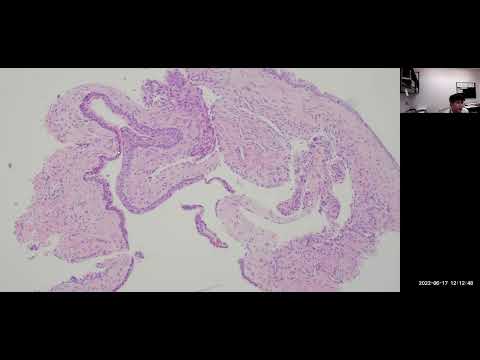
17-Jun-22
“Pearls and Pitfalls in Oral and Maxillofacial Pathology”
Dr. Kevin Ko, Oral Pathology
Session details
Learning Objectives: discuss the importance of clinical-radiological correlation in diagnosing odontogenic and non-odontogenic jaw lesions. Recognize the pitfalls in diagnosing oral mucosal lesions, with an emphasis on oral potentially malignant disorders.

10-Jun-22
“Next Generation RNA Vaccines”
Anna Blakney, Assistant Professor in the Michael Smith Laboratories and School of Biomedical Engineering at UBC
Session details
Learning Objectives: current challenges in the field of RNA vaccines. Advantages of self-amplifying RNA compared to messenger RNA. Strategies for improving safety and efficacy of future RNA vaccines.
20-May-22
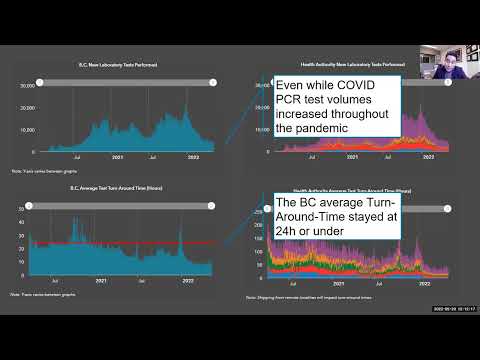
“COVID-19: Practice update and Preparations for the Summer/Fall”
Titus Wong, Clinical Assistant Professor, Regional Medical Director of Infection Control & Dr. Jennifer Grant, Clinical Associate Professor, Medical Microbiologist and Infectious Diseases Physician, VGH
Session details
Learning Objectives: review current provincial COVID-19 epidemiology. Review current provincial safety recommendations. Review current provincial COVID-19 therapy recommendations. Discuss provincial preparations for the fall.

13-May-22

“How tissues are built”
Peter Zandstra, Director and Professor, School of Biomedical Engineering, UBC

6-May-22
“Practical tips and tricks for launching a research study”
Michelle Dittrick
Session details
Learning Objectives: review the challenges faced in starting a research study and alternative approaches to consider. Learn practical tips to facilitate study approvals. Identify local resources available to researchers.

29-Apr-22
“Education in the UBC Department of Pathology – the present state and future directions”
Mike Nimmo – Vice chair Education
Session details
Learning Objectives: describe current educational areas/activities within the Department. List issues facing pathology education within the Department. Describe the future directions of educational activities within the department.

22-Apr-22
“Update on vulvar squamous cell carcinoma and its precursors”
Naveena Singh, Clinical Professor, UBC and Anatomic Pathologist, Vancouver General Hospital
Session details
Learning Objectives: to understand the current etiology-based classification of VSCC and its precursor lesions. To understand the importance and learn the expression patterns of p16 and p53 immunohistochemistry. To become familiar with the terminology and approach to diagnosis of HPV-independent, p53-wild type VSCC precursors.
Presented with Haifeng Zhang (see the next video)
8-Apr-22
“COVID-19 and the brain: what neurological blood based biomarkers can tell us about neurological consequences of COVID-19 in critically ill patients”
Jennifer Cooper, Graduate Student, Djavad Mowafaghian Centre for Brain Health
Session details
Learning Objectives: gain knowledge about what neurological biomarkers can tell us about the central nervous system. Understand the utility of blood based neurological biomarkers as clinical tools. Examine these biomarkers in a population of critically ill patients with COVID-19.
“Identification and targeting of a tumor cell surface protein via immunotherapy strategies”
Haifeng Zhang, Research Associate, BC Cancer Research Centre
Session details
Learning Objectives: how cancer cells evade cell death under oxidative stress. How cancer cells augment cysteine metabolism as a cytoprotection mechanism.
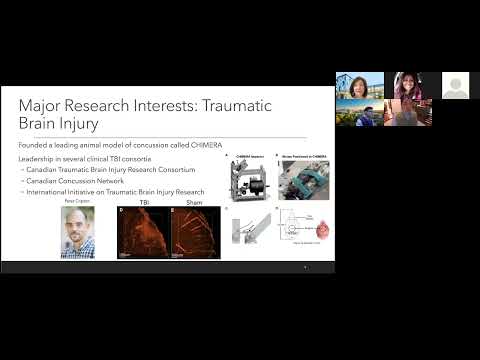
1-Apr-22
“Vision and initial goals”
Dr. Cheryl Wellington, Professor and Vice Chair of Research, Dept of Pathology and Laboratory Medicine, UBC, Djavad Mowafaghian Centre for Brain Health, ICORD
Session details
Learning Objectives: introduce myself as Vice Chair of Research (VCR), Dept of Pathology & Lab Medicine. Describe my initial vision as VCR. Outline short and medium term goals for VCR. Invite participation on the VCR committee.
25-Mar-22
“Liver biopsy interpretation”
Gao, Zu-hua, Professor and Department Head, Department of Pathology and Laboratory Medicine, UBC
Session details
Learning Objectives: systematic approach to liver biopsy. Interpretation based on patterns of abnormality. Overview of morphological characteristics of common liver diseases.
25-Mar-22
“My First 100 Days”
Gao, Zu-hua, Professor and Department Head, Department of Pathology and Laboratory Medicine, UBC
Session details
Learning Objectives: identify the strength and issues of the department. Summary suggestions from faculty members. Discuss plans forward.
“Immunomodulating cell-surface engineering towards improved transfusion and transplantation”
Jay Kizhakkedathu, Professor, Pathology and Laboratory Medicine, Michael Smith Foundation for Health Research Scholar
Session details
Learning Objectives: understand the development of blood group antigen conversion towards universal red blood cells, and their immunological compatibility. Understand the development of immuno-cloaking approaches using novel immune-suppressing polymers to prevent transplant rejection.